

Freud Was a Weird Guy (But Occasionally Right)
November 3, 2025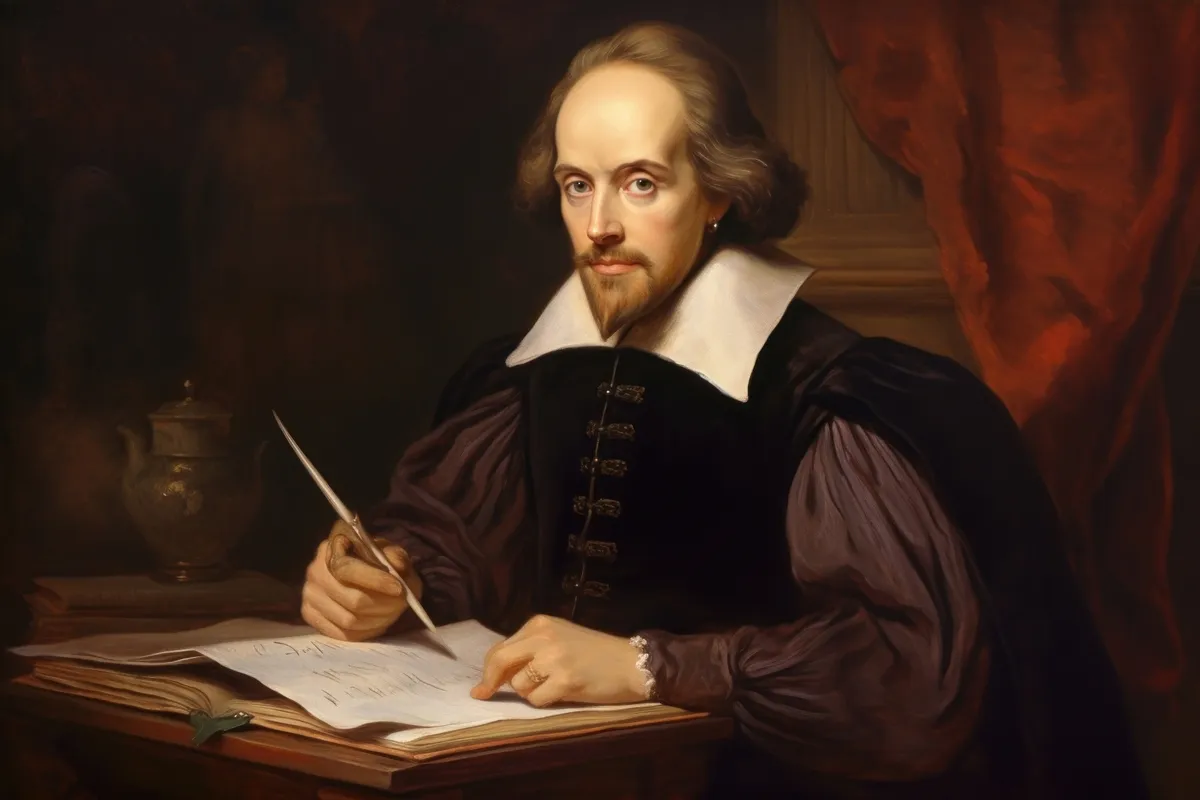
Summary (TL;DR)
Transcription (in the nucleus) and translation (on ribosomes) are the main “acts” of gene expression, while checkpoints (G1, G2, M) direct smooth transitions between stages of the cell cycle and help prevent errors that can lead to disease.
ATP powers cellular “scenes,” fermentation steps in when oxygen is absent, and the cytoskeleton provides structure and movement, with junctions coordinating communication between neighboring cells.
Membranes are semipermeable bilayers, viruses are capsid-plus-genome villains, and lytic versus lysogenic cycles contrast rapid destruction with long-term integration. Mitochondria stage the Krebs cycle and electron transport to make ATP—the final bow of cellular energy production.
— A sonnet to cytology, with apologies to the Bard
To mitose or not to mitose—that is the question. Whether ’tis nobler in the cytoplasm to suffer the phases and checkpoints of outrageous replication, or to take arms against transcriptional tyranny and, by ribosomal action, end them.
Welcome to the grand stage where Juliet meets the Golgi apparatus, where Hamlet delivers a soliloquy inside the nucleus, and where Rosalind Franklin deserved far more credit than she got. Let’s unpack the drama that is cellular biology, one act (and keyword) at a time.

Act I: “All the world’s a cell, and all the organelles merely players”
Cells, like characters in a play, have roles, rules, and highly scripted stages of development. The cell replication phases—interphase (including G1, S, and G2) and mitotic phase—compose the cell’s rehearsal schedule. Each moment leads up to the main event: division.
And oh, what is a mitosis if not a drama of chromosomes? Picture this: Prophase enters stage left, with chromosomes condensing. Metaphase aligns them with elegance. Anaphase rips them apart in a tragic climax. Telophase tries to make peace. And then... curtain call.
But in exam terms, mitosis is the process of equally dividing the nucleus. List the stages of mitosis and you'll find this plot arc repeated over and over—unless your professor decides to throw cytokinesis into the mix like an unexpected twist.
Act II: “Though this be transcription, yet there is method in’t”
Where does the transcription take place? In the nucleus, dear student. Where does transcription occurs? Also nucleus—it's not a typo, it’s a keyword.
There, the functions of DNA are put into action: information is copied from DNA to mRNA, a process worthy of any Shakespearean scribe. This is Act I of gene expression.
Then we ask: where does translation occur? On the ribosomes, of course—either free-floating or bound to the rough ER, depending on whether the protein is destined for the cytoplasm or the castle walls (by which we mean the membrane).
The protein translation steps follow a structured poetic meter: initiation, elongation, and termination. iambic pentatranslation, if you will.
Act III: “Brevity is the soul of replication”
What is checkpoint in cell cycle? Think of it as a stage director ensuring that metaphase hits its mark before moving on to anaphase. Cell cycle checkpoints are the backstage managers of biology—G1, G2, and M checkpoints keeping everything in sync.
What are cell cycle stages, you ask? G1 (growth), S (synthesis), G2 (more growth), and M (mitosis). And when things go awry, drama ensues—cancer being the ultimate tragedy of cell cycle deregulation.
Meanwhile, how does a cell become specialized? Through differential gene expression—a process as intricate as casting Macbeth with typecast white blood cells.
Act IV: “Is this ATP I see before me?”
Let us speak of energy. Where is the energy in an ATP molecule stored? In the high-energy phosphate bonds, particularly the bond between the second and third phosphate groups. In other words, where is the energy stored in an ATP molecule? In the part that breaks hearts and phosphate chains.
ATP, the leading actor, is the primary energy transferring molecule in cells. Its entrances and exits power every scene—whether it’s transcription, translation, or cellular rebellion via apoptosis.
And in times of metabolic constraint, what condition is required for fermentation to occur? Lack of oxygen. When O2 exits stage left, glycolysis throws together an understudy: fermentation.
Act V: “The cytoskeleton doth protest too much, methinks”
The cytoskeleton function is to maintain structure, direct traffic, and basically be the stage rigging of the cell. What is the cytoskeleton function if not to hold the scene together?
What are the functions of the cytoskeleton? Structural support, intracellular transport, cell division, and locomotion. A true ensemble cast.
Part of the cytoskeleton involved in cellular movement? Microfilaments and microtubules. The former contracts like a tragic heroine. The latter guides chromosomes like a deus ex machina.
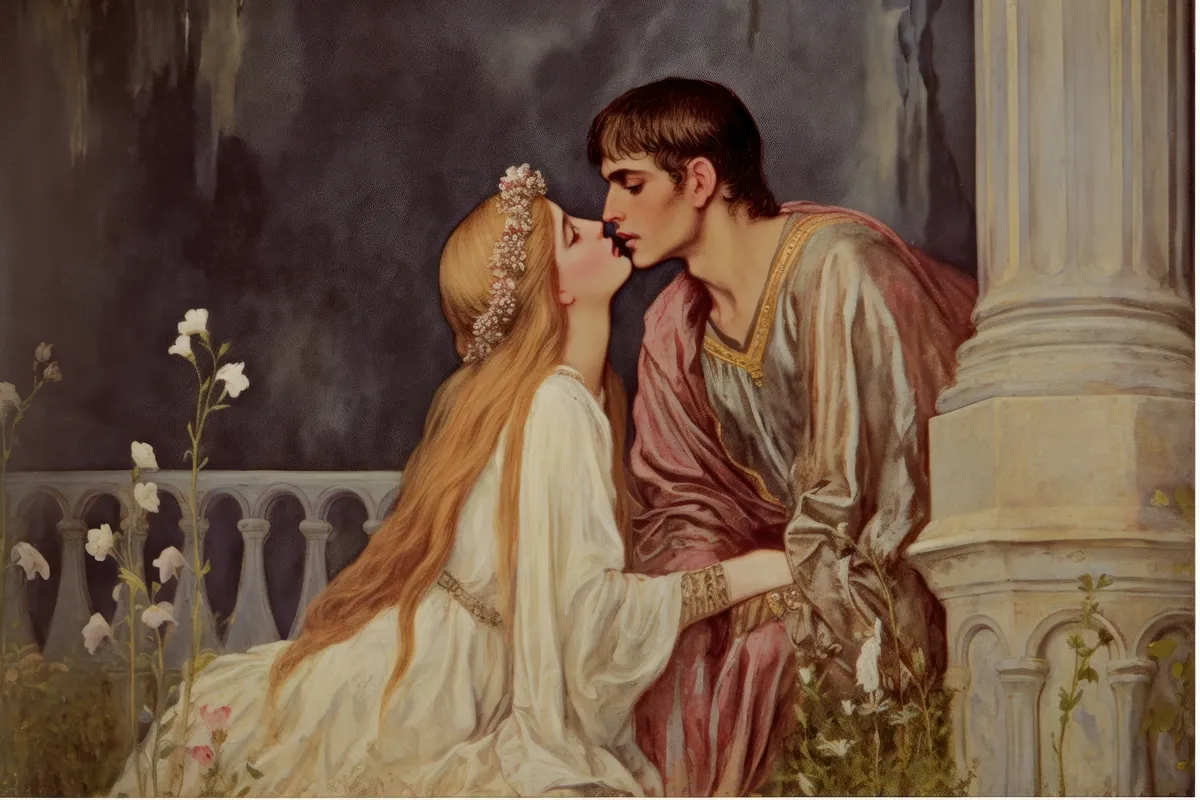
Meanwhile, what is cellular junction? The communication between neighbors: tight junctions, gap junctions, and desmosomes. Think Montague meets Capulet, but with ions.
Interlude: “All membranes are semipermeable in love and osmosis”
What is the basic structure of the cell membrane? A phospholipid bilayer with embedded proteins.
What is the basic structure of a plasma membrane? It is the same and Juliet is the sun. Oh redundancy, thou art a ragged wart; I am sick when I do look on thee.
What can pass through the cell membrane? Small nonpolar molecules. Also, dramatic tension.
Pinocytosis active or passive? Active. Cells don’t sip passively—they drink with purpose.
The Viral Chorus
Every play needs a villain. Enter: the virus.
Basic structure of a virus? A protein coat (capsid) and genetic material (DNA or RNA).
What is the difference between lytic and lysogenic cycle? The lytic cycle is a fast, fatal monologue. The lysogenic cycle is a long-winded subplot. One is Hamlet’s sword; the other, Iago’s manipulation.
Epilogue: “How difficult is microbiology?”
If Shakespeare had studied biology, he’d have written sonnets about mitochondria and tragedies about protein misfolding. He might have even whispered, “How difficult is microbiology?” while crying into his lab coat.
Truthfully? It’s as hard as you make it. But like all great works of literature, the more you immerse yourself, the more the metaphors make sense.
So next time you study the end products of Krebs cycle (NADH, FADH₂, ATP, CO₂) or ask where does the electron transport take place (mitochondrial inner membrane), just imagine the mitochondrion as a candlelit stage. Complex I is Macbeth. Complex IV is Lady M. And ATP synthase is the final bow.
Topic FAQs
Take Your Medical Education to the Next Level with Physeo
Whether you're preparing for Step 1, Step 2, or striving to become a more confident and compassionate physician, Physeo is here to support your journey. Our resources are designed to help you master complex concepts, stay motivated, and achieve your goals.
📚 Unlock Premium Study Tools
Dive into our comprehensive video lessons, image mnemonics, and proven study plans tailored for success. Check out Our Plans to explore subscription options and find the perfect plan for your needs.
💡 Stay Inspired with Our Blog
Looking for tips on excelling in medical school, overcoming burnout, or balancing life as a student or professional? Check out our Blog. It’s your go-to resource for actionable advice and stories from fellow medical students and professionals.
📺 Boost Your Learning with Our YouTube Channel
Prefer learning through videos? Subscribe to our YouTube channel for free tutorials, step-by-step explanations, and expert insights to help you ace your exams and thrive in your medical career.
📱 Connect with Us on Social Media
Stay updated, inspired, and connected with Physeo across our social media platforms:
- Instagram: Follow us on Instagram for daily motivation, study tips, and behind-the-scenes content.
- Facebook: Join our community Here for updates, discussions, and support.
- LinkedIn: Connect with us professionally at LinkedIn for industry insights, career advice, and networking opportunities.
🚀 Ready to Excel?
Invest in yourself and your future patients by joining the Physeo community today. Let’s work together to create a generation of healthcare providers who lead with knowledge and compassion.
Start Your Journey NowAuthor
Emily Dinning
Physeo Director of Creative Content
Latest articles


Our newsletter
- Work-Life Balance
- USMLE Prep
- Study Tools
- Stress Management
- Spaced Repetition
- Residency Applications
- Physeo
- Personal Growth
- Pathology Education
- OB/GYN Specialty
- Nutrition
- Neuroscience
- Mental Health
- Medical School Tips
- Healthcare Innovation
- Global Health
- Fitness & Wellness
- Faith & Medicine
- Doctor-Patient Relationships
- Creativity in Science
- Career Planning
- Anatomy Mastery