


Limiting Reagents, Haunted Flasks, and Other Nightmares: A Chemistry Halloween
October 27, 2025
What’s in a Cell? Does a Cell by Any Other Name Replicate Differently?
November 10, 2025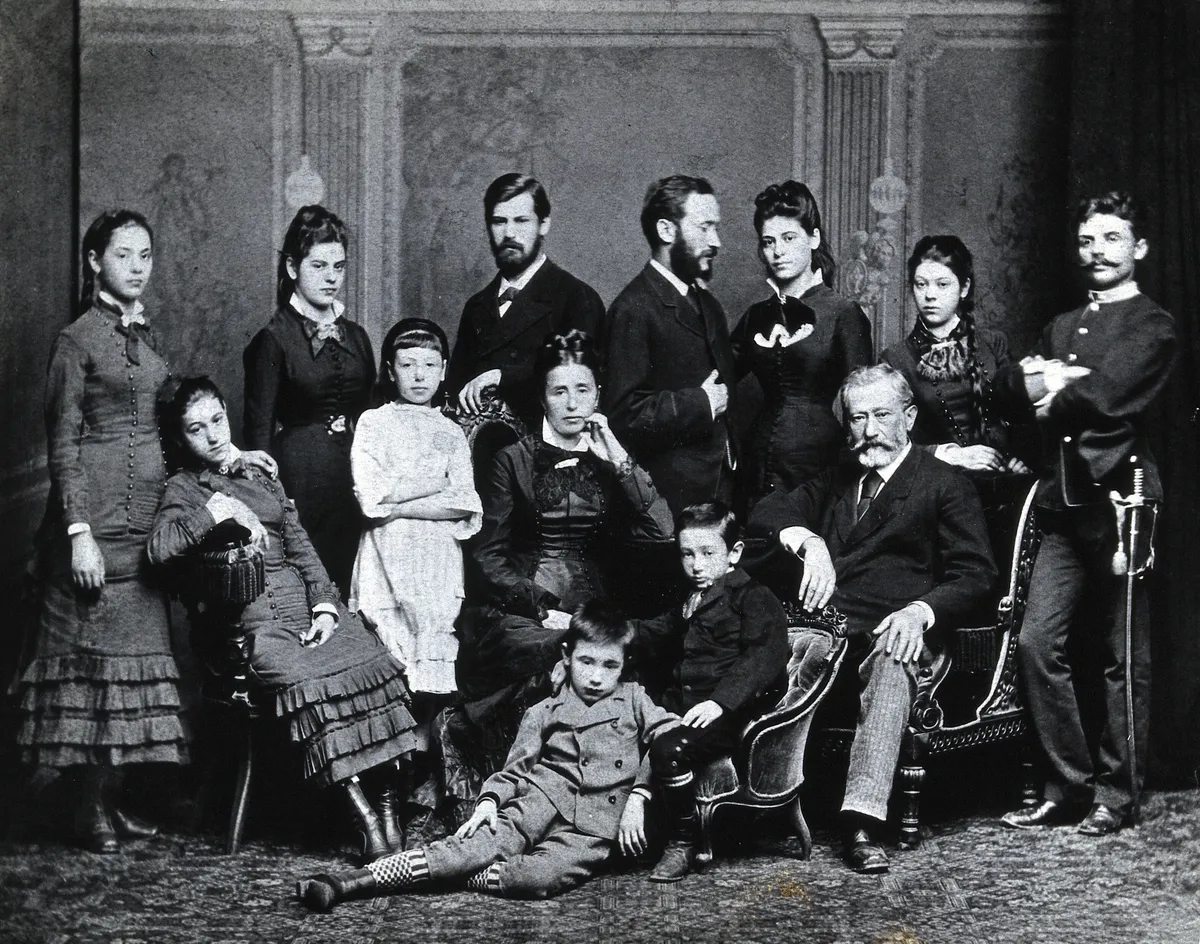
Summary (TL;DR)
It contrasts Freud’s drive-based view of motivation with contemporary, evidence-based theories like arousal and optimal arousal theory. It also explains classical conditioning (neutral, unconditioned, conditioned stimuli and responses; acquisition and extinction) and distinguishes primary vs. secondary reinforcement.
The article touches on group psychology and polarization, affective attitudes, and other core topics (Cannon–Bard theory, instinct examples, latent learning, humanistic perspective), highlighting where modern psychology moved beyond Freud.
Bottom line: Freud was often wrong, sometimes insightful, and undeniably influential in launching key psychological debates.
A blog post about cigars, dreams, and how we all apparently wanted to marry our mothers
Let’s just get this out of the way: Sigmund Freud was a weird guy. Like, textbook definition of “unserious man taken way too seriously.” He once said women envy penises and then built an entire theory around it. That’s not psychology, that’s a you problem, Sigmund.
And yet… buried beneath the mountain of cocaine-fueled hypotheses and oddly detailed dreams about your mom, there were a few things Freud actually got kinda right. So today we’re doing what every psych student eventually must: we laugh, we cringe, and then we acknowledge that yes, the man did contribute to the field (albeit while chain-smoking and catastrophizing).
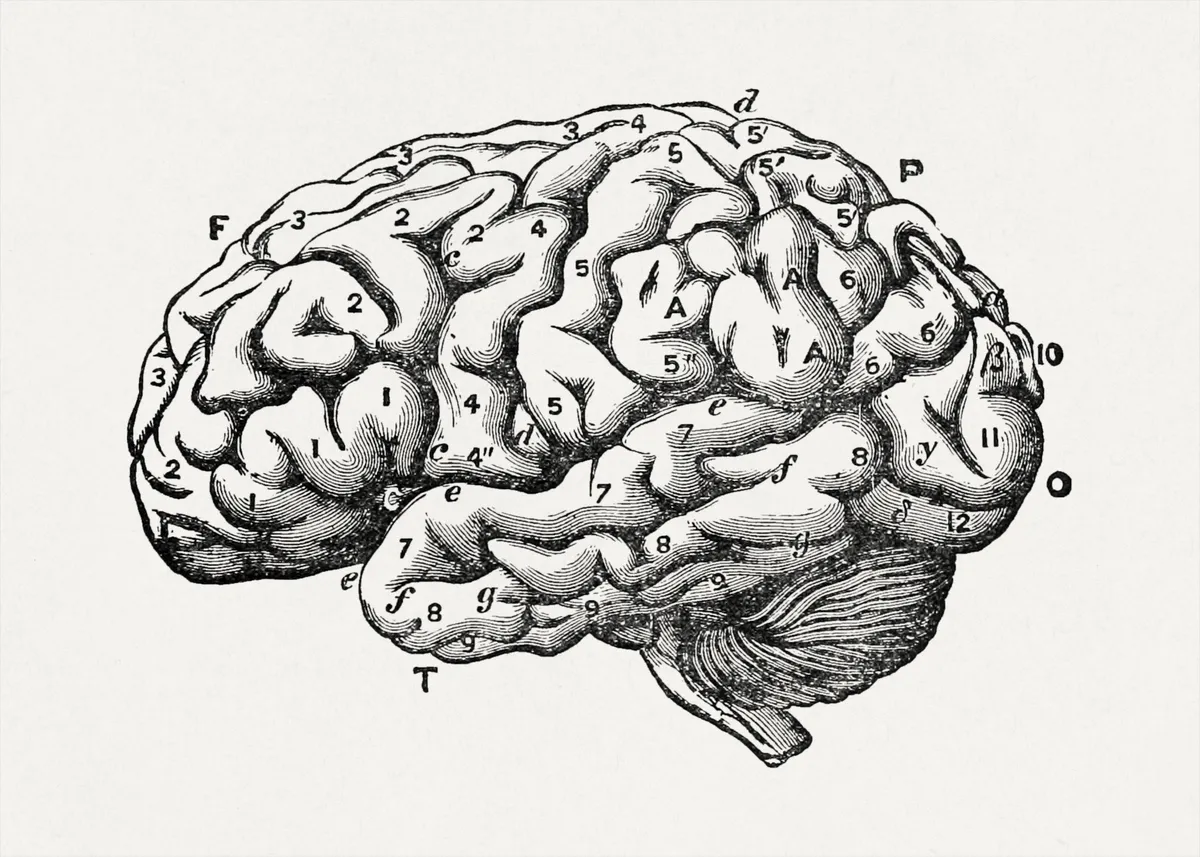
The Stages of Psychosexual Development (Or, Why Freud Needed a Hobby)
Let’s start with Freud’s most notorious theory: the stages of psychosexual development. There are five:
First comes the oral stage of development—babies put everything in their mouth. Freud called this normal. I call it "baby meets outlet." Then we hit the anal stage of development, the infamous potty-training phase, where toddlers supposedly develop their sense of control. Hello, my fellow spreadsheet enthusiasts.
By the time we reach the phallic stage, things get weird fast. Freud had a lot to say about this one—most of it uncomfortable. See: phallic stage psychology definition, Oedipus complex, and a career-ending amount of maternal fixation. Then there’s the latency stage, in which Freud more or less takes a break from theorizing. Finally, we reach the genital stage, which is basically puberty and onward—aka “how to ruin every high schooler’s day in one psych class.”
According to the development theory of Freud—also described as the stages of human development Freud or Freud stages of human development—these stages form the foundation of adult personality. Honestly, there’s something to be said about that. We all know someone permanently stuck in the oral development stage, chewing pens and oversharing in group chats.
Personality, According to Freud (And No One Else)
Freud’s take on personality, detailed in Freud's developmental theory, splits the psyche into three dramatic characters: the id, ego, and superego. The id is a chaos goblin, demanding instant gratification. The ego is the overworked mediator trying to keep the peace. The superego is the guilt-tripping moralist with a superiority complex. It’s basically an internal group project gone wrong.
This structure features prominently in Freud’s stages of personality development and the broader Freud theory of development. Wildly unscientific? Yes. Weirdly relatable? Also yes.
Freud and Motivation: The Original Overthinker
Freud believed human behavior stemmed from two main drives: life (libido) and death (Thanatos). Modern psychology has since added depth (and evidence) to the discussion, with more grounded concepts like arousal theory of motivation, optimal arousal theory, and motivation theory in psychology. These theories suggest that we’re driven by our desire to maintain the right level of excitement or stimulation—too little and we’re bored, too much and we’re stressed.
Throw in psychology theory of motivation, psychology motivation theory, and a handful of biological psychology theories, and you’ve got a more complete picture of why we do anything. Spoiler: it’s not just because we repressed our feelings about our mothers.
Conditioning: The Thing Freud Did Not Invent (But We Wish He Had)
While Freud was dissecting dreams, classical conditioning psychology was out here making actual discoveries. Enter Pavlov, who showed that if you ring a bell every time you feed a dog, eventually the bell alone will make the dog drool.
Here’s how it works: A neutral stimulus causes no response on its own. Pair it with an unconditioned stimulus (like food), which causes an unconditioned response (salivation). Eventually, the bell becomes a conditioned stimulus that causes a conditioned response. This is the classical conditioning process, and it’s the backbone of behaviorist theory.
Learning includes stages like acquisition in classical conditioning (when the response is first learned) and what is extinction in classical conditioning (when the response fades after the stimulus pairing stops). According to Pavlov, in classical conditioning the unconditioned response is whatever naturally happens before learning occurs—like flinching when someone says “midterm.”
Freud didn’t invent this, but let’s be honest: he probably would have claimed the bell represented repressed desire.
Reinforcement, But Make It Freudian
Freud didn’t exactly dive into behavioral reinforcement, but the field evolved to include concepts like primary vs secondary reinforcement. Primary reinforcers (food, water, physical comfort) are biologically driven. Secondary reinforcers (like money or praise) are learned. Per the secondary reinforcer psychology definition, we’re basically trained to chase likes and gold stars—just with more student loan debt.
If you’re looking at trait theory characteristics, you can also map which people respond best to which kinds of rewards. Like, the extrovert in your psych lab group? 100% chasing secondary reinforcers. You? You’re just here for the snacks.
Group Psychology & Freud’s Identity Crisis
Freud had his moment with group psychology, too, arguing that people lose their individuality in crowds. A tad dramatic, but he was on to something—especially when we consider psychology group polarization, where discussions lead groups toward more extreme positions.
His musings also hinted at affective attitude psychology, or how emotions shape beliefs and behaviors. Though Freud might not have used that exact term, the sentiment’s there—wrapped in a thick cloud of cigar smoke and projection.
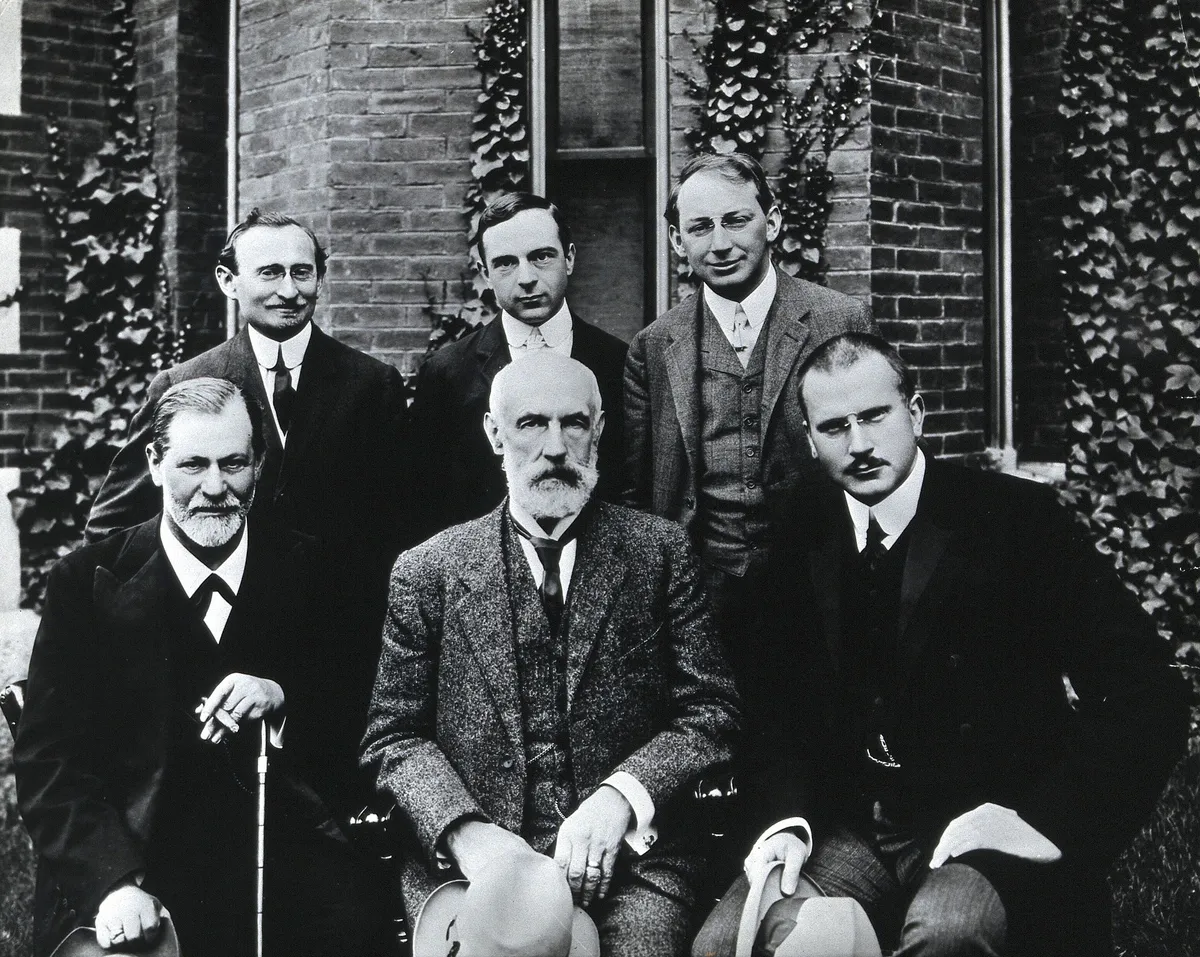
Other Concepts Freud Absolutely Did Not Invent (But We Still Need to Know)
Freud didn’t create these ideas, but modern psych students still need to know them:
Cannon Bard theory definition psychology tells us that emotions and physiological responses happen simultaneously, not sequentially. Instinct theory examples include rooting in newborns or panicking at the word “cumulative final.” Meanwhile, what is latent learning in psychology refers to knowledge that’s only demonstrated when there’s a reason to use it—like suddenly remembering every amino acid the second your professor walks in.
And classical and operant conditioning are forms of learning that, thankfully, have no ties to dream interpretation or parental envy.
You’ll also be quizzed on what is trait in psychology, psychology humanistic perspective definition, define polarization in psychology, and several terms Freud would’ve absolutely hated because they require empirical evidence.
Conclusion: Freud Was a Lot of Things. Correct Was Occasionally One of Them.
Freud's stages of development aren’t airtight. The stages of development Freud described are mostly vibes and wishful thinking. But give the man some credit—he jumpstarted conversations about the unconscious, emotional repression, and childhood’s impact on adult life.
And so, we remember him: Freud, the father of psychoanalysis, the guy with deeply questionable theories, and the man who proved that even your weirdest ideas might be worth writing down… just maybe don’t base an entire field on them.
Topic FAQs
Take Your Medical Education to the Next Level with Physeo
Whether you're preparing for Step 1, Step 2, or striving to become a more confident and compassionate physician, Physeo is here to support your journey. Our resources are designed to help you master complex concepts, stay motivated, and achieve your goals.
📚 Unlock Premium Study Tools
Dive into our comprehensive video lessons, image mnemonics, and proven study plans tailored for success. Check out Our Plans to explore subscription options and find the perfect plan for your needs.
💡 Stay Inspired with Our Blog
Looking for tips on excelling in medical school, overcoming burnout, or balancing life as a student or professional? Check out our Blog. It’s your go-to resource for actionable advice and stories from fellow medical students and professionals.
📺 Boost Your Learning with Our YouTube Channel
Prefer learning through videos? Subscribe to our YouTube channel for free tutorials, step-by-step explanations, and expert insights to help you ace your exams and thrive in your medical career.
📱 Connect with Us on Social Media
Stay updated, inspired, and connected with Physeo across our social media platforms:
- Instagram: Follow us on Instagram for daily motivation, study tips, and behind-the-scenes content.
- Facebook: Join our community Here for updates, discussions, and support.
- LinkedIn: Connect with us professionally at LinkedIn for industry insights, career advice, and networking opportunities.
🚀 Ready to Excel?
Invest in yourself and your future patients by joining the Physeo community today. Let’s work together to create a generation of healthcare providers who lead with knowledge and compassion.
Start Your Journey NowAuthor
Emily Dinning
Physeo Director of Creative Content
Latest articles





Our newsletter
- Work-Life Balance
- USMLE Prep
- Study Tools
- Stress Management
- Spaced Repetition
- Residency Applications
- Physeo
- Personal Growth
- Pathology Education
- OB/GYN Specialty
- Nutrition
- Neuroscience
- Mental Health
- Medical School Tips
- Healthcare Innovation
- Global Health
- Fitness & Wellness
- Faith & Medicine
- Doctor-Patient Relationships
- Creativity in Science
- Career Planning
- Anatomy Mastery