


Theories of Motivation, Personality, and Development: Why You’re Like This (Psychology Edition)
October 17, 2025
Limiting Reagents, Haunted Flasks, and Other Nightmares: A Chemistry Halloween
October 27, 2025
Summary (TL;DR)
It clarifies inheritance concepts (alleles, dominance, Punnett squares), protein synthesis (mRNA, tRNA, rRNA; transcription and translation), and why X-linked traits are more common in males. It also covers bacterial horizontal gene transfer (transformation, transduction, conjugation) as a rapid driver of evolution.
Speciation arises from reproductive isolation (prezygotic and postzygotic barriers). Patterns of evolution include convergent, divergent, and parallel evolution. The Hardy–Weinberg principle is introduced as a null model for unchanged allele frequencies—and why real populations rarely meet its assumptions.
Finally, it contrasts oogenesis and spermatogenesis and closes by reframing “What was I made for?” as an evolutionary, not teleological, question.
If you’ve ever looked into the mirror and asked, “What was I made for?”—congratulations. You’ve had the same thought as Billie Eilish, Barbie, and every amoeba that ever accidentally mitosed before the Cambrian explosion.
The answer, biologically speaking, is evolution. Not the cutesy “we’re all stardust” kind. The chaotic, patterns in evolution, reproductive isolation biology definition, what is parallel evolution kind. Welcome to natural selection, existential dread edition.
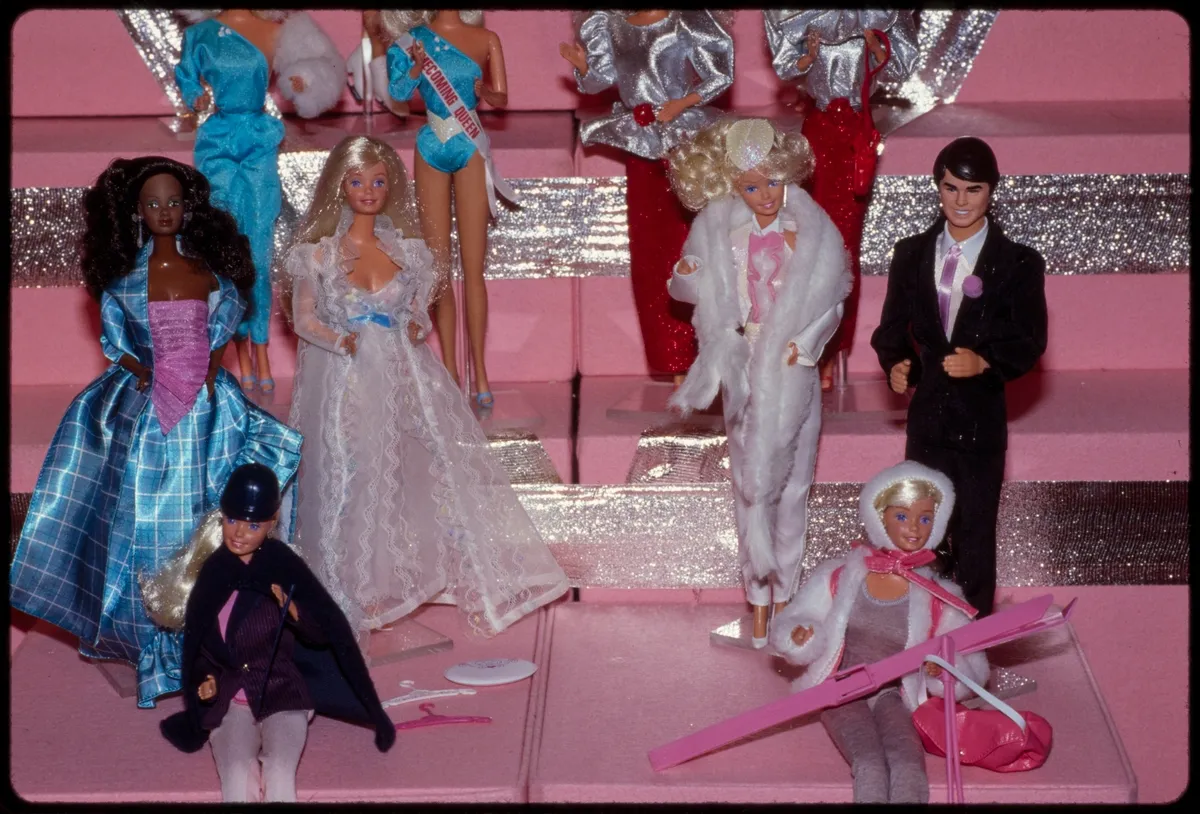
Barbie’s Existential Spiral, Explained by Evolutionary Biology
In Barbie (2023), our plastic protagonist stumbles into the real world, gets catcalled, contemplates death, and asks “What was I made for?”
A more scientific question might be: Why do species evolve during adaptive radiation? And the answer is: environmental pressures, niche availability, and the uncomfortable awareness that your creator might be a Mattel executive.
Barbie’s experience is best described by the definition of behavioral isolation: different environments, different behaviors, same species of sentient doll.
DNA—Nature’s Ambiguous Instruction Manual
Let’s start with the structure and functions of DNA (or if you prefer, the function and structure of DNA, structure of DNA and function, or just DNA structure function). DNA is made of two strands forming a double helix, composed of nucleotides: adenine, thymine, cytosine, and guanine. These base pairs are the blueprint for every protein you make, from hemoglobin to that one enzyme responsible for metabolizing cheese.
DNA replication is when your cells duplicate this genetic material during the S phase of the cell cycle. Each strand serves as a template, producing two identical DNA molecules thanks to enzymes like helicase (unzips your genes) and DNA polymerase (your body’s overworked copy editor). This process ensures every new cell inherits the same instruction manual—although, sometimes, the copier jams.
Errors in replication = mutations = sources of genetic variation. These mutations can be silent, harmful, or helpful, depending on how they alter protein production. Add in recombination frequency, which tracks how often genes swap places during meiosis, and you’ve got a system that’s randomly remixing traits like a DJ with zero oversight. That reminds me of my brother’s wedding where the DJ went rogue and played “Get Low” while quite literally everyone and their mothers were on the dance floor; now we’re all scarred for life.
dissociates and stares off into the distance for an uncomfortable amount of time
So anyways, some combinations hit the charts (adaptive advantages); others never leave the garage (lethal recessives).
Dominance, Alleles, and That One Gene You Inherited From Your Dad
Alternative forms of a gene are called alleles. Some are dominant, some are recessive, and some are hiding in the metaphorical attic like your cousin Greg.
Complete dominance in genetics (aka complete dominance genetics or what is complete dominance in genetics) occurs when one allele completely masks another—just like Barbie’s pink wardrobe covers her identity crisis.
Some examples of complete dominance include brown eyes, curly hair, and the way existential panic overtakes your frontal lobe at 3 AM.
Punnett Squares & Practice You Didn’t Ask For
Let’s walk through how to do a dihybrid cross, but for some of you this is also known as: How to dihybrid cross, Dihybrid cross how to, How to set up a dihybrid cross. A dihybrid definition biology nerd would tell you that this cross examines two traits. A monohybrid cross, in contrast, examines just one—because in a monohybrid cross how many traits are examined? That’s right. One.
To do a dihybrid cross, you start by identifying the genotypes of two organisms for two separate traits—like round vs. wrinkled and yellow vs. green peas (thanks, Mendel). Then you FOIL those alleles like you’re prepping a high school algebra problem, creating four gamete combinations per parent. From there, you set up a 4×4 Punnett square, fill it in like a genetic Sudoku puzzle, and hope for a 9:3:3:1 phenotypic ratio that says “I understood the assignment.” If none of this made sense, just remember: it’s Mendel’s fault, not yours.
Need more pain? Try dihybrid practice or monohybrid cross practice, and don’t forget to use a Punnett square. (Google: how do you use a Punnett square. Me: Don’t.)
RNA Drama & Protein Synthesis
The 3 types of RNA and their functions (or 3 types of RNA and what they do, or if you’re feeling fancy, types of RNA and their function) are:
mRNA – messenger RNA, the one who carries the genetic gossip from the nucleus to the ribosome.
tRNA – transfer RNA, the translator that matches mRNA codons to amino acids with impressive loyalty and zero chill.
rRNA – ribosomal RNA, the structural and catalytic core of the ribosome, aka the ribosomal hype crew making sure everything stays on beat.
The transcription process in DNA starts when RNA polymerase latches onto a gene and unzips just enough to copy its code into mRNA. This freshly minted strand exits the nucleus like a disillusioned teenager fleeing their small hometown, heading to the big cytoplasm for the next act.
There, it enters the steps of protein synthesis translation, where ribosomes read its codons three letters at a time and tRNA delivers matching amino acids. The amino acids link together into a polypeptide chain, which will fold into a protein—assuming no mutations got wild in the editing room. It’s like reading a recipe with no photos and hoping you didn’t just make a biochemical disaster.
Sex-Linked Traits and Why Men Are the Problem (Genetically Speaking)
Why are sex linked traits more common in males? Blame the Y chromosome. It doesn’t carry many genes, but it sure causes trouble—like a minimalist at a potluck. Most sex-linked traits are X-linked, meaning the gene is located on the X chromosome. Females (XX) have a backup copy; males (XY) do not. One bad allele on that single X, and boom—trait expressed.
To understand how are the alleles for sex linked traits inherited, you have to follow the chromosomal breadcrumbs. If a mother carries a mutation on one X, there’s a 50% chance she’ll pass it to her son—who, lacking a second X, will express the trait. This is why X-linked recessive conditions like hemophilia and red–green colorblindness disproportionately affect males.
So what is an X linked trait? It’s a gene on the X chromosome that plays by its own rules—rules that tend to throw men under the evolutionary bus.
Bacteria, But Make It Evolutionary
Bacteria are the queens of horizontal gene transfer, slaying with:
Transformation – absorbing stray DNA from their environment like molecular raccoons.
Transduction – getting genetic material hand-delivered by a virus (because even bacteria outsource).
Conjugation – the closest thing to bacterial flirting: one cell builds a pilus and transfers plasmid DNA to another like it’s swapping mixtapes.
That trio is officially known as transformation transduction and conjugation in bacteria—proof that even single-celled organisms have better communication than most couples.
Isolation, Speciation, and Why Finches Are So Dramatic
Speciation requires barriers—because if everyone kept interbreeding with everyone, we’d still be amoebas with commitment issues. Types of isolation biology include prezygotic barriers (like incompatible mating seasons, courtship rituals, or one bird just being emotionally unavailable), and postzygotic issues (like hybrid offspring that are sterile, sad, or simply don’t make it to graduation).
This ties directly into: Reproductive isolation definition—when two populations can no longer produce viable, fertile offspring. Types of reproductive isolation—categorized by when the barrier hits. What is a prezygotic barrier—any factor that prevents fertilization. Reproductive isolation biology definition—the mechanism that stops gene flow between groups, setting the stage for speciation.
Evolution’s Greatest Hits (And Remixes)
Patterns of evolution (also known as patterns in evolution, evolution types, types of evolution, or different types of evolution) describe the ways species change over time.
Convergent evolution: unrelated species evolve similar traits due to similar environments (dolphins and sharks both going sleek).
Divergent evolution: related species evolve different traits after isolation (classic sibling rivalry, evolutionary edition).
Parallel evolution: two related species evolve in similar ways independently. Need a parallel evolution example? Marsupial sugar gliders in Australia and placental flying squirrels in North America.
Hardy–Weinberg, aka Evolution in a Vacuum
The Hardy-Weinberg principle states that allele frequencies remain constant in an ideal population—no mutation, migration, selection, genetic drift, or nonrandom mating. Useful as a null model, unrealistic in practice.
If you want to calculate it, here’s how to use the Hardy-Weinberg equation (or how to do Hardy-Weinberg equation, or how to use Hardy Weinberg equation): Plug values into p² + 2pq + q² = 1, panic, then remember the two main sources of genetic variation—mutation and recombination—constantly disturb equilibrium. Also: is gene flow random? Sometimes. Migrants can shuffle alleles between populations, altering frequencies.
Bonus Biology: Spermatogenesis, Oogenesis, and Other Words You’ve Blocked Out
Let’s talk gametes—because even your reproductive cells have main character energy.
Oogenesis is the process of development that forms egg cells and involves arrest in prophase I for years until hormonal signals resume meiosis.
How long does spermatogenesis take? About 64 days from start to finish, producing millions of sperm continuously—efficient, relentless, and a little suspicious.
Conclusion: So, What Were You Made For?
Biologically: to survive, reproduce, and accidentally pass on your fear of commitment. Existentially: to ask questions that DNA cannot answer. Scientifically: to experience natural selection and cry about it in your car.
You weren’t made for anything. You evolved for convenience. And yet—you’re here. A walking paradox of genetic diversity, macro level theories, and a playlist full of emotional damage. Evolution didn’t ask for Billie Eilish. It got her anyway.
Topic FAQs
Take Your Medical Education to the Next Level with Physeo
Whether you're preparing for Step 1, Step 2, or striving to become a more confident and compassionate physician, Physeo is here to support your journey. Our resources are designed to help you master complex concepts, stay motivated, and achieve your goals.
📚 Unlock Premium Study Tools
Dive into our comprehensive video lessons, image mnemonics, and proven study plans tailored for success. Check out Our Plans to explore subscription options and find the perfect plan for your needs.
💡 Stay Inspired with Our Blog
Looking for tips on excelling in medical school, overcoming burnout, or balancing life as a student or professional? Check out our Blog. It’s your go-to resource for actionable advice and stories from fellow medical students and professionals.
📺 Boost Your Learning with Our YouTube Channel
Prefer learning through videos? Subscribe to our YouTube channel for free tutorials, step-by-step explanations, and expert insights to help you ace your exams and thrive in your medical career.
📱 Connect with Us on Social Media
Stay updated, inspired, and connected with Physeo across our social media platforms:
- Instagram: Follow us on Instagram for daily motivation, study tips, and behind-the-scenes content.
- Facebook: Join our community Here for updates, discussions, and support.
- LinkedIn: Connect with us professionally at LinkedIn for industry insights, career advice, and networking opportunities.
🚀 Ready to Excel?
Invest in yourself and your future patients by joining the Physeo community today. Let’s work together to create a generation of healthcare providers who lead with knowledge and compassion.
Start Your Journey NowAuthor
Emily Dinning
Physeo Director of Creative Content
Latest articles



Our newsletter
- Work-Life Balance
- USMLE Prep
- Study Tools
- Stress Management
- Spaced Repetition
- Residency Applications
- Physeo
- Personal Growth
- Pathology Education
- OB/GYN Specialty
- Nutrition
- Neuroscience
- Mental Health
- Medical School Tips
- Healthcare Innovation
- Global Health
- Fitness & Wellness
- Faith & Medicine
- Doctor-Patient Relationships
- Creativity in Science
- Career Planning
- Anatomy Mastery